

Best Fit
Drivers looking at the historical Hikari Ultra kit and wanting to understand why it stood out in the original BulbFacts LED tests before the current v2 chart era.
Legacy Test Snapshot
- Version 1.0 results: 4390 reflector low lux and 6670 reflector high lux per bulb.
- Projector results: 3030 low beam hotspot lux and 6140 high beam lux per bulb.
- 6450K color, 5470 lumens per kit, 23.1 watts per bulb, and 5-star low-beam pattern rating in the original test format.
This product is no longer listed in the current BulbFacts LED product data. This review remains available for reference; check the current LED recommendations for newer tested options.
Legacy data note: This review is based on the original BulbFacts version 1.0 test bench, so the lux values and scoring are not directly comparable to the current LED chart. Use the current chart and recommendations pages for the latest product rankings.

It took a lot of time and money to finally release this review, but at the time, the Hikari Ultra LED kit was one of the strongest Amazon-sold LED kits we had tested. This page preserves that original test context while cleaning it up into the newer BulbFacts format.
Back then, many shoppers were grabbing whatever LED kit was top-rated or sponsored on Amazon, but a lot of those products used older single-chip designs that did not perform well. The Hikari Ultra was more expensive than many generic kits, but the test results made it much easier to recommend.
The bulb used Philips Lumileds Luxeon Z ES chips, with three chips on each side of the bulb and six LEDs per bulb. Hikari claimed 12,000 lumens per kit, while our measured output was 5470 lumens per kit. That gap is a good reminder that LED marketing lumen claims are often inflated.
The unique LED layout was one of the interesting parts of the design. The emitter area was not perfectly symmetrical from side to side, and that seemed to help focus light unusually well in the reflector housings we tested.
Reflector Style Headlight Test Results
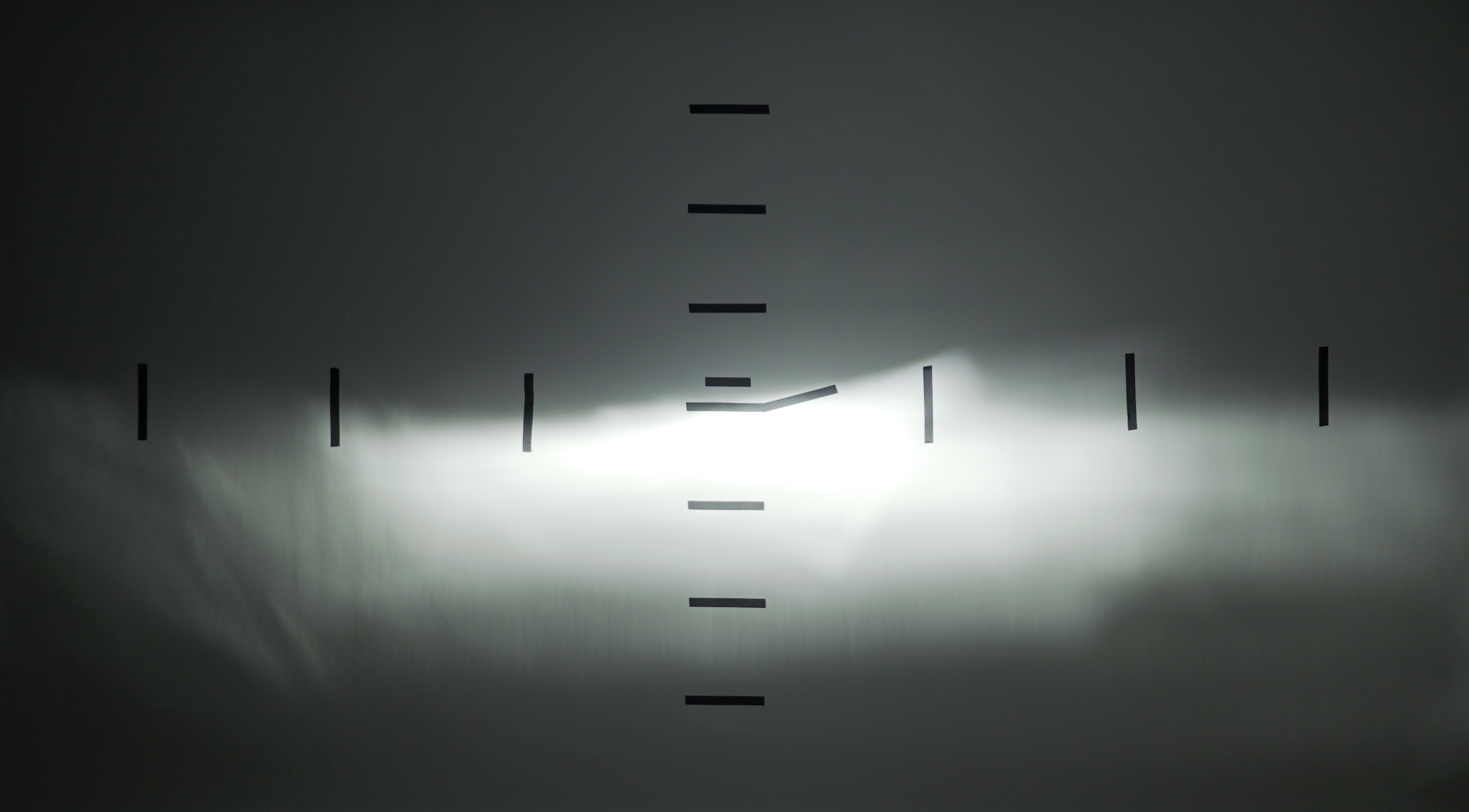
The original Hikari Ultra made its name by producing a strong reflector beam without the messy scatter common in older LED retrofits.
We tested this kit at 4390 lux per bulb at 12 feet in the original test reflector. That was 8780 total lux for the pair on low beam, compared with 3220 lux for a halogen kit in the same headlight.
In that version 1.0 setup, the Hikari Ultra produced about 173% more low-beam light than stock halogen, or roughly 2.7 times brighter. It was also around 2.5 times brighter than an upgraded halogen kit like the Sylvania SilverStar Ultra in that test context.
High beam measured 6670 lux per bulb, delivering about 88% more light than halogen. The high-beam increase was not as dramatic as low beam, but it was still a major improvement.
Beam pattern is critical in reflector headlights because uncontrolled LEDs can glare or dazzle oncoming drivers. In the original testing, the Hikari Ultra produced near-perfect to perfect beams in several different reflector-style headlights.

Projector Style Headlight Test Results
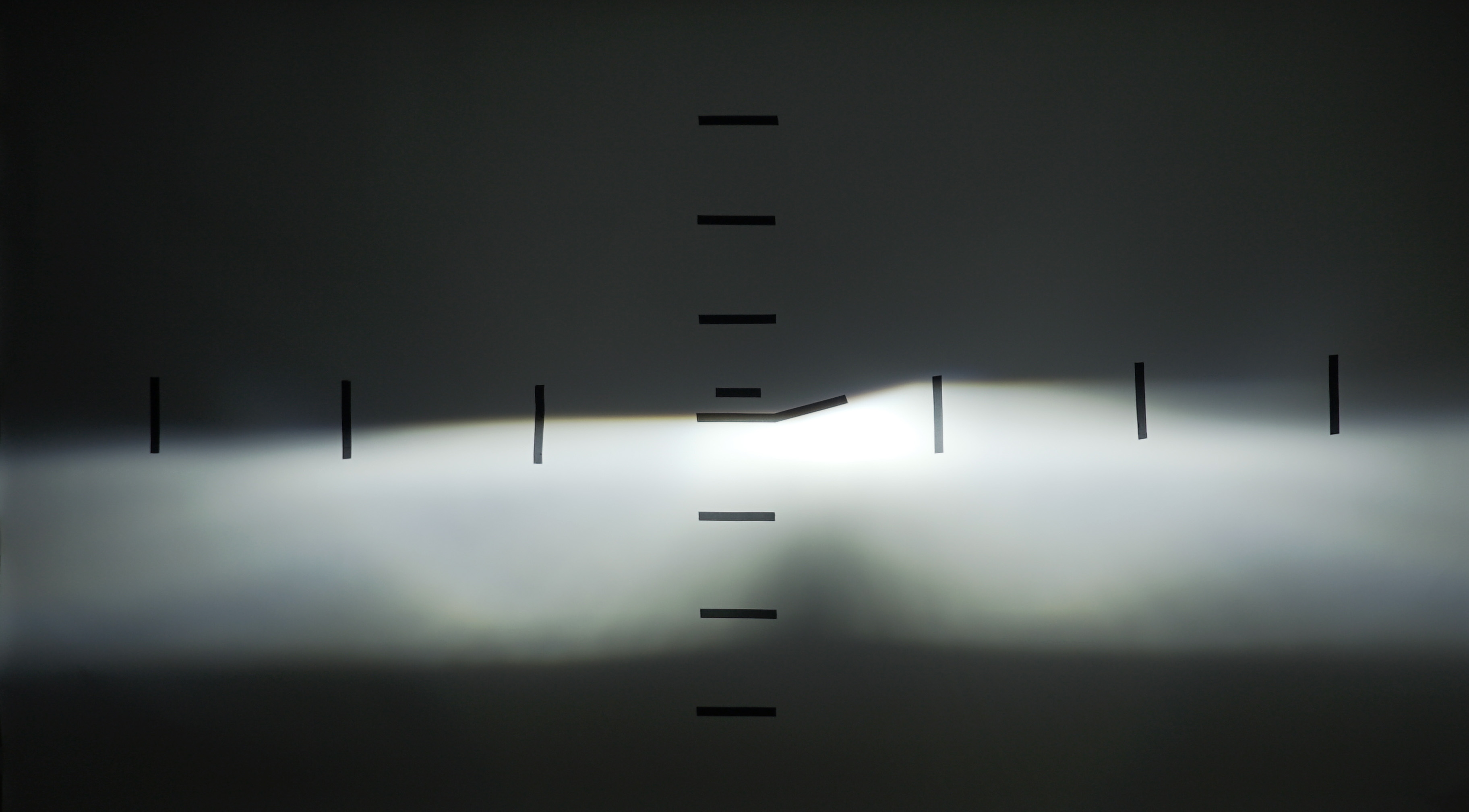
For the original test era, the Hikari Ultra also performed unusually well in halogen projector housings.
If you had halogen projectors, the Hikari Ultra did not disappoint in the original testing. We measured 3030 lux in the low-beam projector hotspot and 6140 lux on projector high beam.
That represented about 246% more light in the low-beam projector and about 105% more light in projector high beam compared with halogen in the version 1.0 setup.
At the time of this review, it ranked extremely well even against other premium LED kits we had tested. HID could still be brighter with a high-end system, but this LED kit was competitive enough to make the comparison interesting.
The beam pattern was very good, though not quite as perfect as an ideal halogen or HID projector source. We saw a small dark spot in the lower center, and a small dark spot immediately in front of the car, but in real driving it did not ruin the usefulness of the beam.
Kelvin, Output, Power, And Installation Notes
The Hikari Ultra leaned into the popular cool-white LED look, while keeping power draw and heat relatively modest.
Measured draw
30-min temp
Fan noise
Hikari Ultra Kelvin
Hikari Ultra lumens

Many people upgrade to LED because they like the whiter, more modern look. In our original testing, the Hikari Ultra measured 6450K. That is mostly white with some light blue, close to the xenon look but slightly bluer.
For context, OE halogen is usually around 3400K, and upgraded halogen bulbs often land closer to 3700K. In the original LED test set, products ranged from roughly 5250K to 7300K, so the Hikari Ultra sat right in line with many aftermarket LEDs of the era.
Power draw measured 23.1 watts per bulb, with a running temperature of about 100°F / 38°C. The kit used fan cooling, an external removable driver, and a 32 mm heat sink.
The Hikari Ultra was not rotatable, so installation depended more heavily on the bulb being properly designed for the housing. Noise measured 71 dB, which is louder than many newer LED kits, though typically less noticeable once installed inside a vehicle.
Warranty, Value, And Final Thoughts
In its original test period, the Hikari Ultra was an easy under-$100 recommendation. Today, it is best understood as an important older benchmark.
Coverage
The original facts block listed no DRL / high-beam dimming support and a 2-year warranty. It came in many bulb sizes and was easy to install, but it lacked some of the refinement and compatibility notes we now expect from newer LED kits.
At the time, the conclusion was simple: if you were looking for a good LED headlight kit under $100, the Hikari Ultra was one of the best options we had tested. It was bright, had a strong beam pattern, ran cool, and outperformed many more generic Amazon kits.
In today's BulbFacts context, this page should be treated as a legacy review rather than a current recommendation. Newer Hikari products, GTR Lighting options, DDM kits, and other LEDs should be compared in the current chart before making a buying decision.
This product is no longer listed in the current BulbFacts LED product data. This review remains available for reference; check the current LED recommendations for newer tested options.
Full Test Details & Facts For Hikari Ultra
Legacy version 1.0 bench measurements. These values are preserved for article history and are not directly comparable to the current LED chart scale.
Beam Output
- Reflector low beam lux
- 4390 per bulb
- Reflector high beam lux
- 6670 per bulb
- Projector low beam lux hotspot
- 3030 per bulb
- Projector high beam lux
- 6140 per bulb
- Lumens per kit
- 5470
- Lumens per bulb
- 2735
Beam Quality
- Low beam pattern rating
- 5 stars
- Low beam reflector glare lux
- 50 at 4 in
- Tested Kelvin
- 6450K
- DRL / high-beam dimmable
- No
- Lifespan rating
- N/A
- Warranty
- 2 years
Hardware
- Running temperature
- 100°F / 38°C
- Rotatable
- No
- Heat sink size
- 32 mm
- Noise
- 71 dB
- LEDs per bulb
- 6, Philips Lumileds Luxeon Z ES
- Direction
- Flat, unique offset layout
Electrical And Fitment
- Driver type
- External, removable
- Wattage
- 23.1 watts per bulb
- Cooling type
- Fan
- CANBUS compatible
- N/A in legacy facts
- Radio frequency interference
- N/A
- Original price context
- Under $100
Facts listed above are based on BulbFacts version 1.0 testing processes at the time of this review. See how we test for current procedures and use the current LED chart for modern product comparisons.